Sessions
2026 5.15
[ Fri ]
Venue: Hotel Metropolitan Sendai 4th Floor

Overview Session
Roundtable: The Future of Northeast Asian Studies
16:30~17:50 Presentation language:Japanese
Since its establishment in 1996, the Center for Northeast Asian Studies (CNEAS) has produced many distinguished scholars. Over the past thirty years, the political, economic, and social conditions of Northeast Asia have changed significantly, and approaches to research have evolved accordingly. In 2026, as AI becomes increasingly embedded in everyday life and the world once again shows signs of moving toward great-power conflict, how should Academism respond? In this session, former directors of the Center will reflect on these questions.
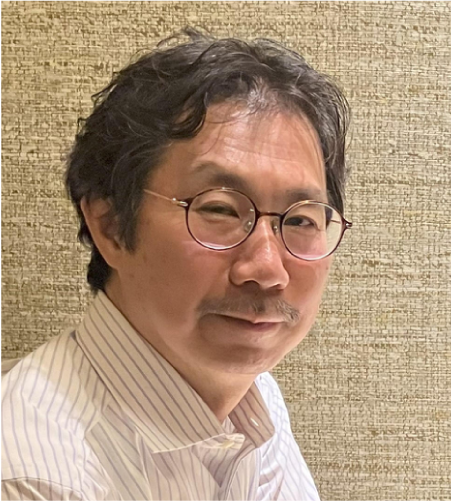
Director, CNEAS, Tohoku University
Hiroki TAKAKURA
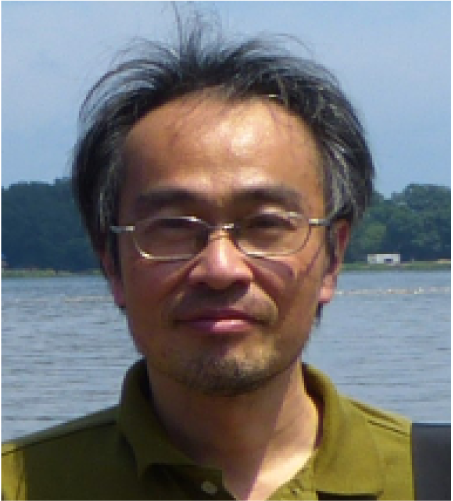
former Director, CNEAS, Tohoku University
Satoshi CHIBA
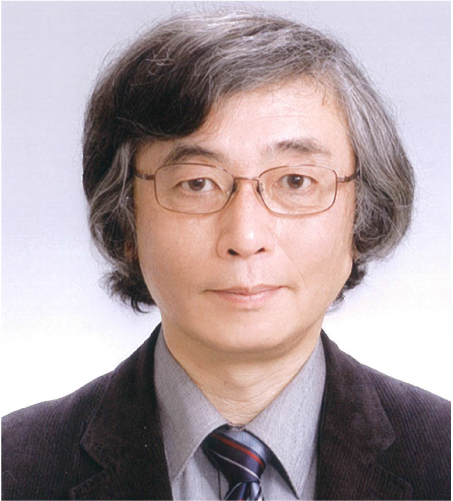
former Director, CNEAS, Tohoku University
Hiroki OKA
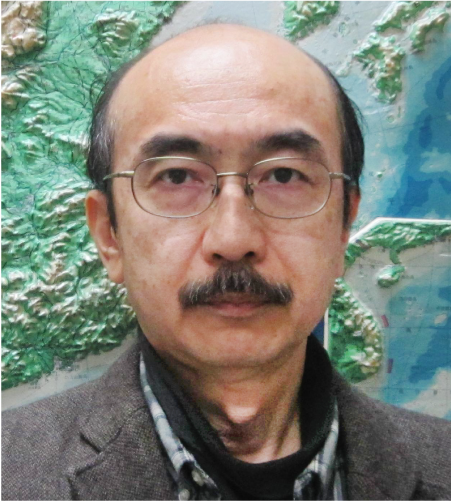
former Director, CNEAS, Tohoku University
Masahisa SEGAWA
Director, CNEAS, Tohoku University
Hiroki TAKAKURA
former Director, CNEAS, Tohoku University
Satoshi CHIBA
former Director, CNEAS, Tohoku University
Hiroki OKA
former Director, CNEAS, Tohoku University
Masahisa SEGAWA
Panel & Video Exhibition
Alyne DELANEY (Tohoku University)
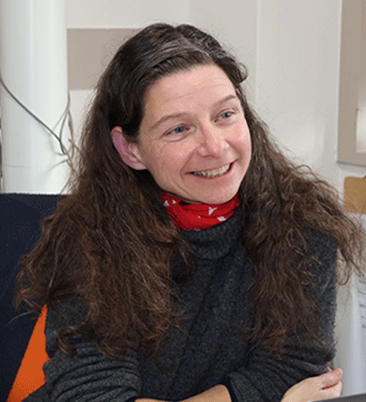
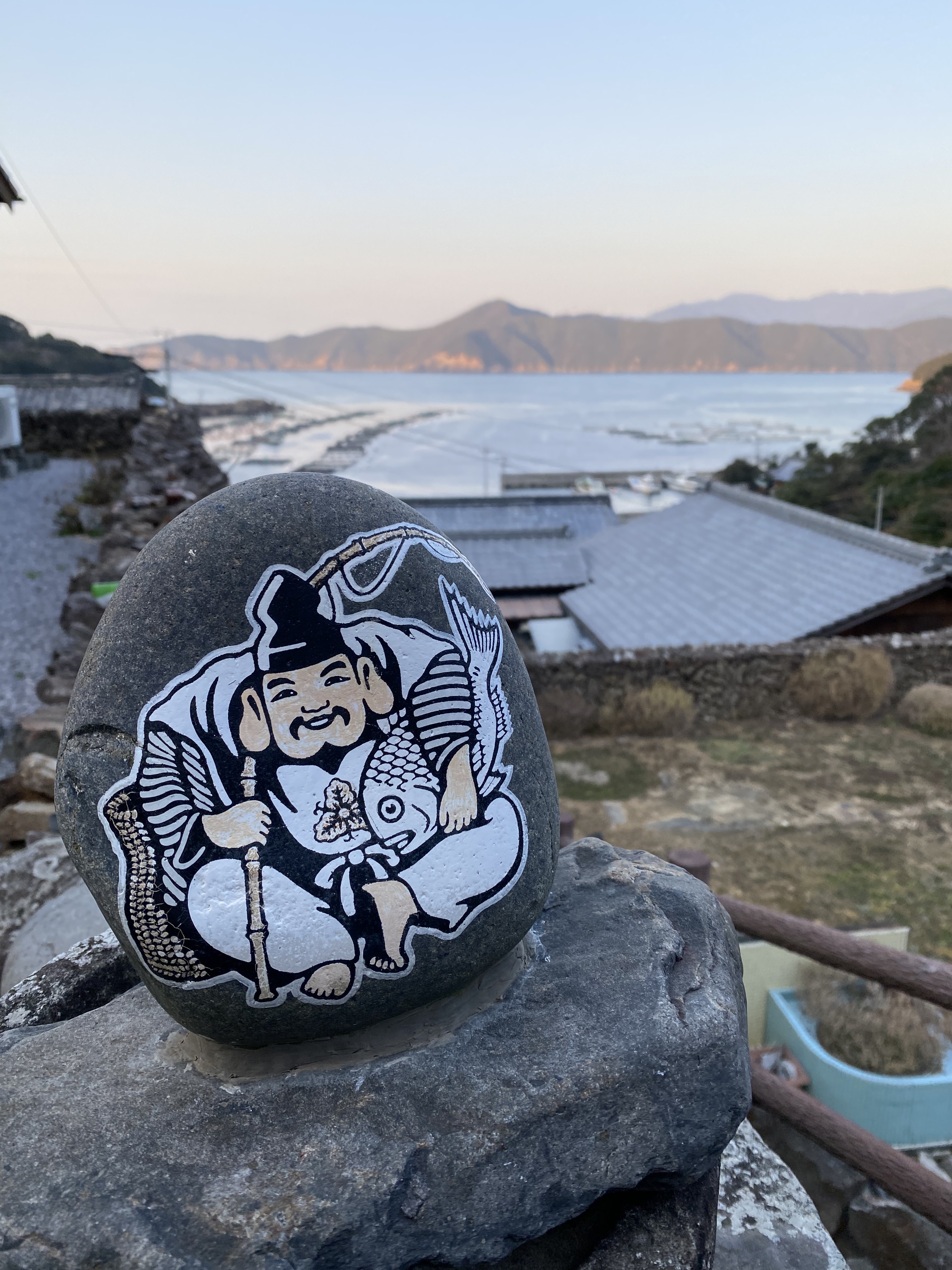
「Collaborations and Connections: Understanding Coastal Tōhoku」
Collaboration with co-researchers and local stakeholders plays a central role in research in Northeast Asia. From an anthropological perspective in particular, knowledge is understood as something co-produced through long-term relationships, trust, and the practical knowledge of local communities. Communities are not merely objects of study but active partners whose lived experiences and historical memories shape more ethical and meaningful research.
This exhibit introduces three forms of collaborative research undertaken by Professor Delaney: (1) interdisciplinary (transdisciplinary) collaboration with fishers, local residents, and researchers from other fields, working across the boundaries of natural science and anthropology; (2) research conducted through participant observation with an ujiko (Shrine parisioners group) young men’s group, engaging in festival organization, shrine maintenance, and the upkeep of forest evacuation trails in preparation for disasters; and (3) collaborative research with the “Seven-Seven Support Team,” a group formed by survivors of the Great East Japan Earthquake who now support other disaster-affected areas and work to pass on their experiences to the next generation.
(Until April 26th (Sun))
2026 5.16
[ Sat ]
13:30~17:30
Venue: Tohoku University KAWAUCHI HAGI HALL 2nd Floor
Sessions
War and Memory
Theme:
「How is War Remembered and Transmitted」
10:00~12:00 Presentation language:Japanese
Eighty years have passed since the end of the Second World War. As most people with wartime experience have passed away, we are entering a post-experience era in which only those without such experience remain. At the same time, new wars involving Russia and Israel give the impression that the world is once again moving toward war and conflict. Why do societies that once endured devastating wars come to wage war again? How have war memories been transmitted over time?
This session seeks to unsettle seemingly fixed conflicts over war memory that emerge within national histories. By focusing on field-based perspectives and vernacular memories that cannot be fully absorbed into national narratives, it challenges the framework of the nation-state from within. Examining conflicts ranging from the Imjin War (1592–98) to the Pacific War, the German–Soviet War, the Sino-Japanese War, the Korean War, and the Vietnam War, the session highlights the diverse, locally grounded ways in which wars have been transmitted beyond official histories and media representations.
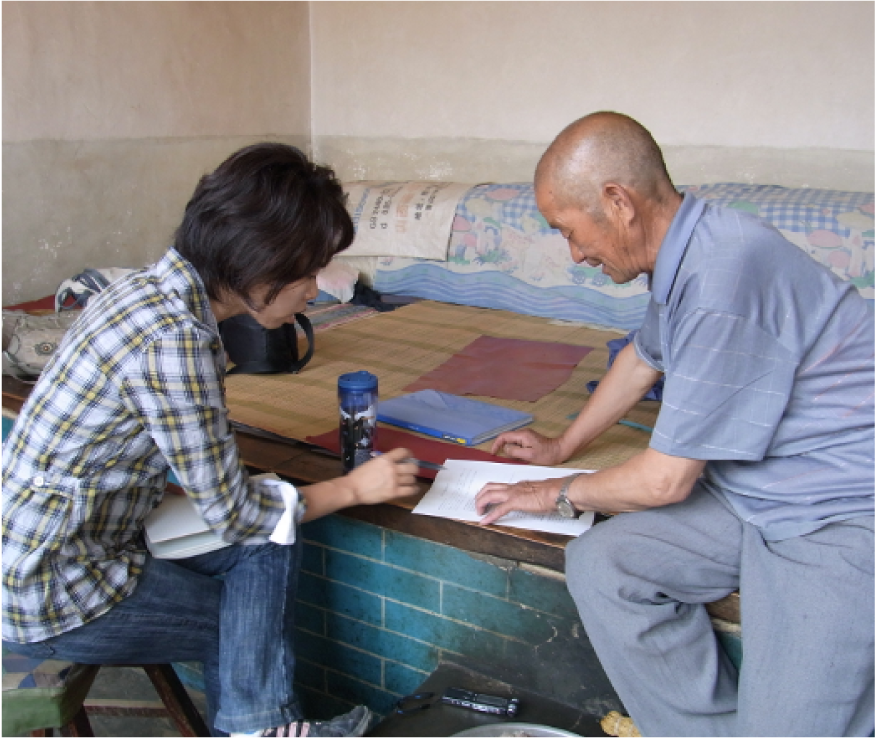
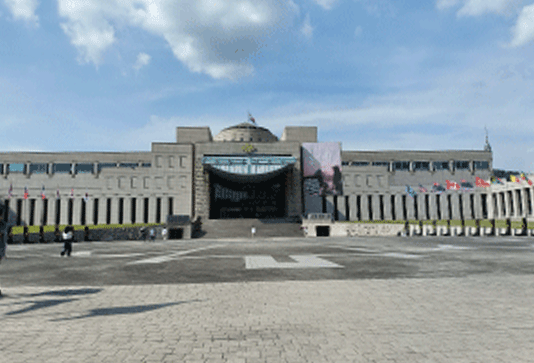
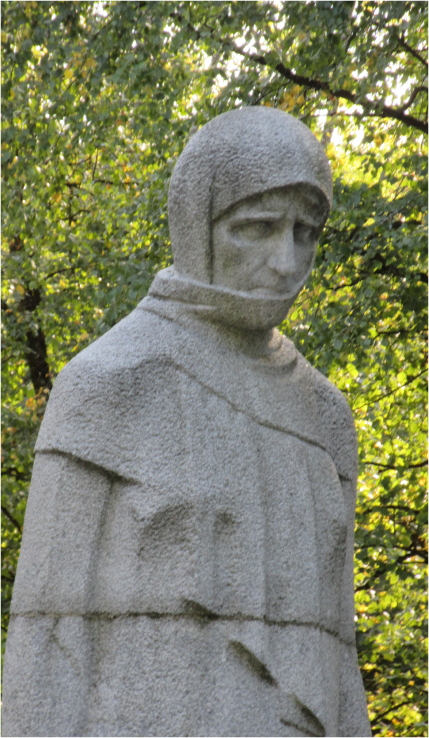
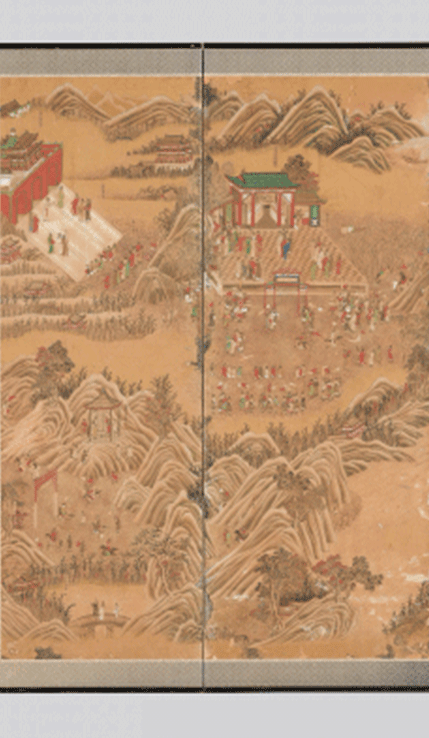
※1:Source 『征倭紀功図屏』(Collection of the National Museum of Korea)
Speaker
Speaker
Coordinator
Tohoku University
Yumi ISHII
Collective Memory and Historical Frameworks of the Sino-Japanese War
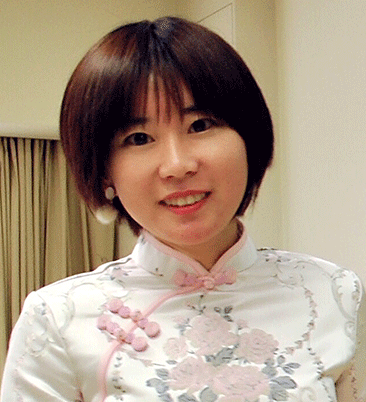
Tohoku University
Yongchao CHENG
Remembering the Imjin War: The Remaking of International Order in Early Modern East Asia
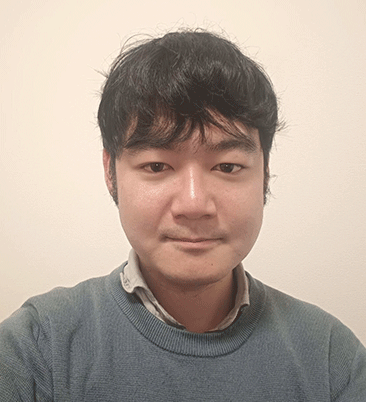
Tohoku University
Kento TAKASHIRO
Contested Memories of War in South Korea: Focusing on the Asia–Pacific War, the Korean War, and the Vietnam War
Shimane University
Shiho MAEDA
ussian War Monuments and Collective Memory: Regional and Layered Aspects in Smolensk
Speaker
Coordinator
Tohoku University
Yumi ISHII
Collective Memory and Historical Frameworks of the Sino-Japanese War
Tohoku University
Yongchao CHENG
Remembering the Imjin War: The Remaking of International Order in Early Modern East Asia
Tohoku University
Kento TAKASHIRO
Contested Memories of War in South Korea: Focusing on the Asia–Pacific War, the Korean War, and the Vietnam War
Shimane University
Shiho MAEDA
ussian War Monuments and Collective Memory: Regional and Layered Aspects in Smolensk
Chair:Kyosuke TERAYAMA (Tohoku University)
Digital Humanities and Open Science
Theme:
「Digitization, Openness, and the Integrity of Humanities」
13:00~15:00 Presentation language:Japanese
This session reconsiders how scholarly integrity can be rebuilt through digitalization and open science. These developments are driven by reflection on past irresponsible research practices and by the growing interaction between academic communities and societies in democratic contexts. At the same time, they have enabled new research practices such as citizen science, big data analysis, and collaboration with AI. By providing an overview of a research ecosystem undergoing major transformation in both technology and ideas, this session explores ways to enhance the cumulative nature of research while meeting contemporary standards of fairness and integrity. The session will feature four speakers. Yui Arimatsu will discuss challenges facing the Japanese humanities through international comparisons in the academic and inter-governmental contexts. While the Science Council of Japan has identified inadequate research data management as a form of misconduct, institutionalization remains a challenge. Eiri Ono will address this issue based on his work in research data management at a university. Sakiko Kawabe will introduce the concept of “loose preservation” through examples of digitalization and community collaboration in cultural heritage preservation. Finally, Kohei Tamura will present perspectives on digitalization and openness at the Center for Northeast Asian Studies and on reconstructing the research ecosystem in human history studies. We hope this session will contribute to renewed reflection on scholarly integrity and the relationship between academic communities and societies.
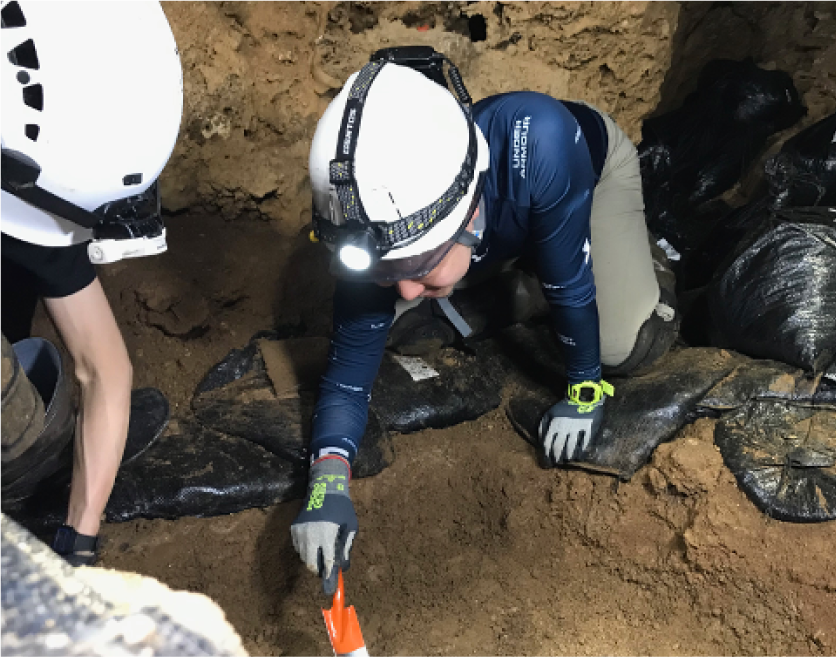
Speaker
Speaker
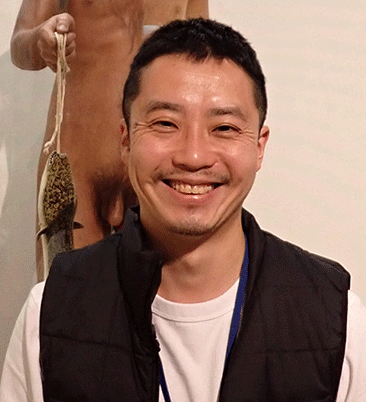
Coordinator
Tohoku University
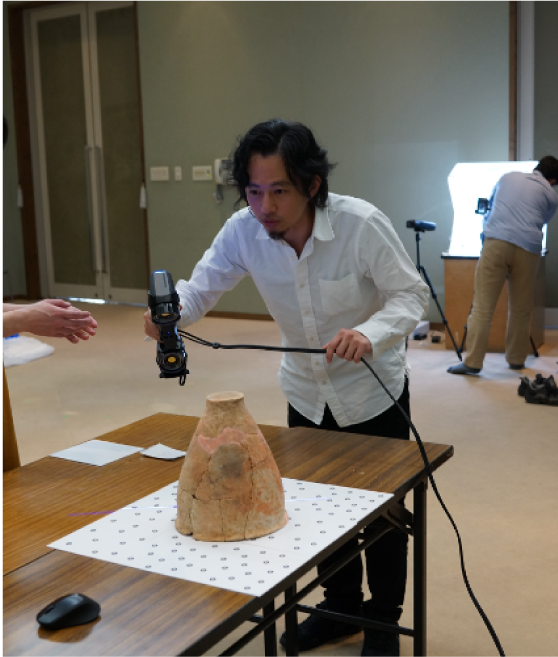
Kohei TAMURA
Digital Archive of Northeast Asian Studies and Eternal Nakao Blizzard
HIROSHIMA University
Yui ARIMATSU
Humanities as practical studies: Criteria, methods, and implementation in preservation and inheritance of the disaster remains
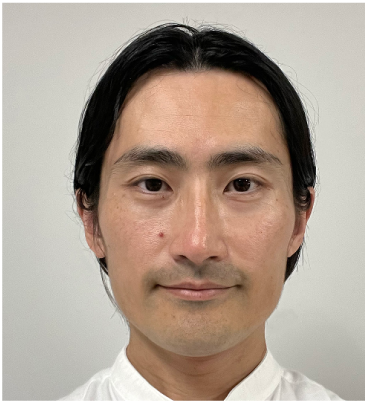
KYOTO University
Eiri ONO
Supporting Open Science and Research Data Management: Challenges at Kyoto University
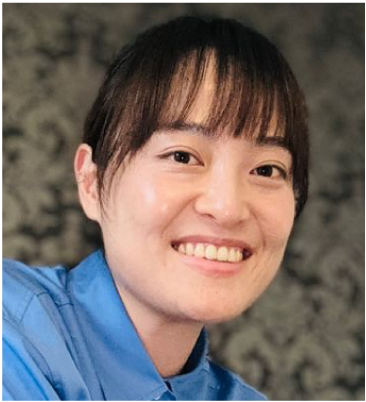
National Museum of Japanese History
Sakiko KAWABE
Digital Technology and Open Science for the Preservation of Folk Artifacts
Speaker
Coordinator
Tohoku University
Kohei TAMURA
Digital Archive of Northeast Asian Studies and Eternal Nakao Blizzard
HIROSHIMA University
Yui ARIMATSU
Humanities as practical studies: Criteria, methods, and implementation in preservation and inheritance of the disaster remains
KYOTO University
Eiri ONO
Supporting Open Science and Research Data Management: Challenges at Kyoto University
National Museum of Japanese History
Sakiko KAWABE
Digital Technology and Open Science for the Preservation of Folk Artifacts
Chair:Atsushi ISHII (Tohoku University)
Evolution
Theme:
「Changing Earth, Changing Humanity」
15:30~17:30 Presentation language:Japanese
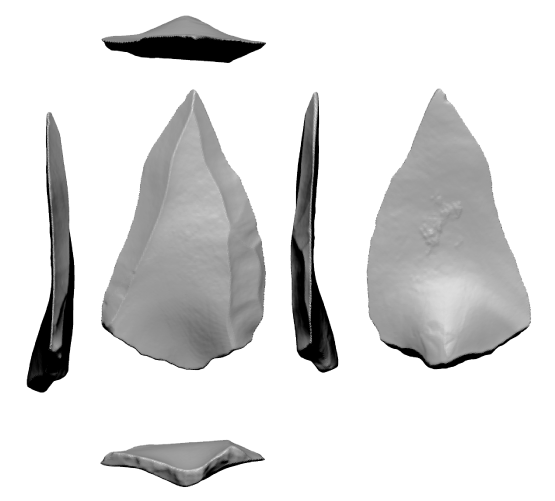
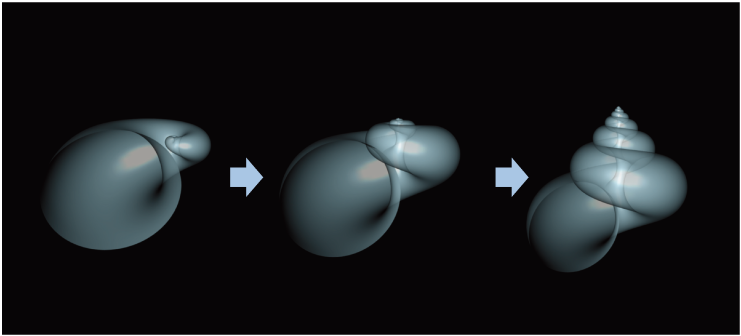
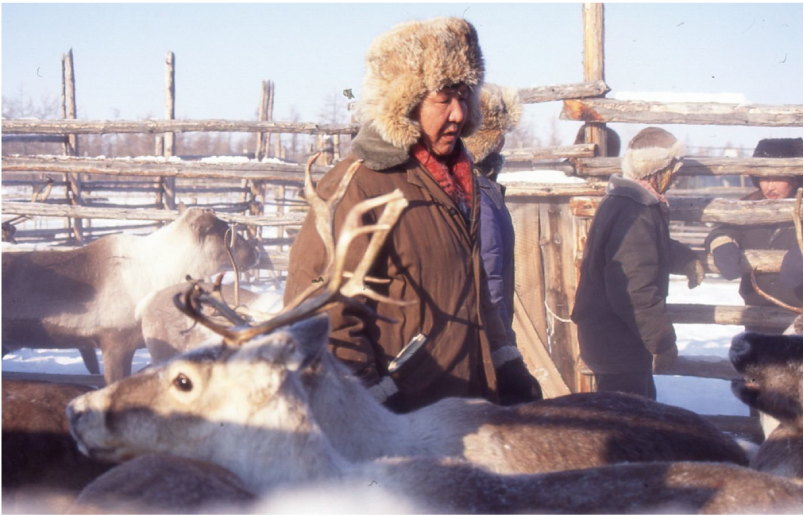
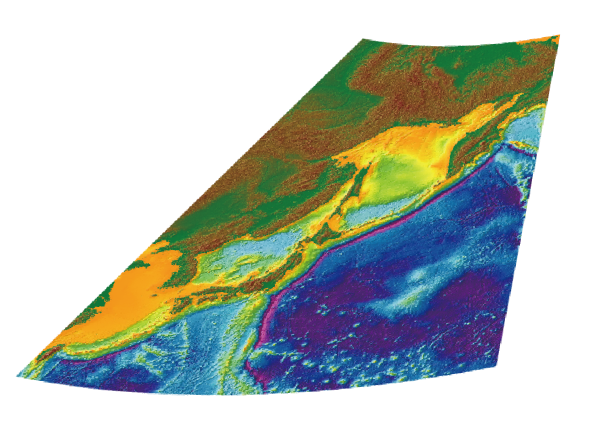
Planetary-scale environmental changes—including tectonic activity, climatic oscillations, and meteorite impacts—have driven extinction, adaptation, and the diversification of life throughout Earth’s history. In human history as well, climate change, major volcanic and seismic events, and the environmental disruptions and regional fragmentations they induced have shaped cultural trajectories. Life has constituted the material foundation of human societies, while cultural change has, in turn, influenced surrounding ecosystems and the Earth system itself. This session approaches changes in the Earth, in life, and in human societies and cultures from the perspective of “evolution.” By examining evolutionary processes operating at multiple temporal scales across these distinct domains, we aim to elucidate the interwoven relationships linking the Earth, life, humanity, and culture.
Speaker
Speaker
Coordinator
Tohoku University
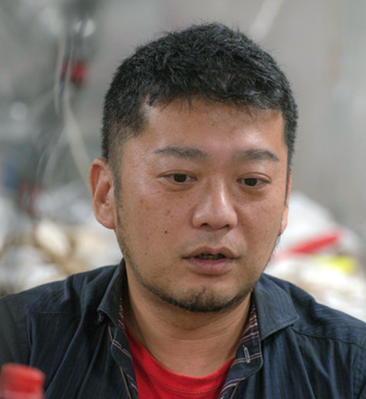
Naoto HIRANO
Earth's Evolutions and Societal Modifications through Geotectonic Events
Tohoku University
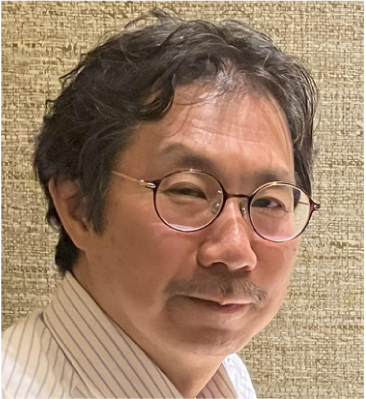
Hiroki TAKAKURA
Reconsidering the concept “evolution” from Siberian Anthropology
Tohoku University
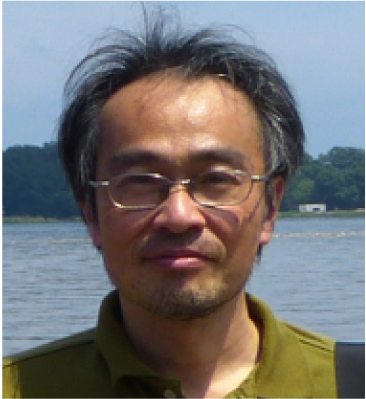
Satoshi CHIBA
Is evolution in biology really evolution?
Tohoku University
Katsuhiro SANO
Development of stone tool technology and human evolution
Speaker
Coordinator
Tohoku University
Naoto HIRANO
Earth's Evolutions and Societal Modifications through Geotectonic Events
Tohoku University
Hiroki TAKAKURA
Reconsidering the concept “evolution” from Siberian Anthropology
Tohoku University
Satoshi CHIBA
Is evolution in biology really evolution?
Tohoku University
Katsuhiro SANO
Development of stone tool technology and human evolution
Chair:Naoto HIRANO (Tohoku University)
Discussant : Junji YAMAMOTO (Kyushu University)
REGISTRATION(Until April 26th (Sun))