
Introduction
Reconsidering Area Studies from the Perspectives of Evolution and War
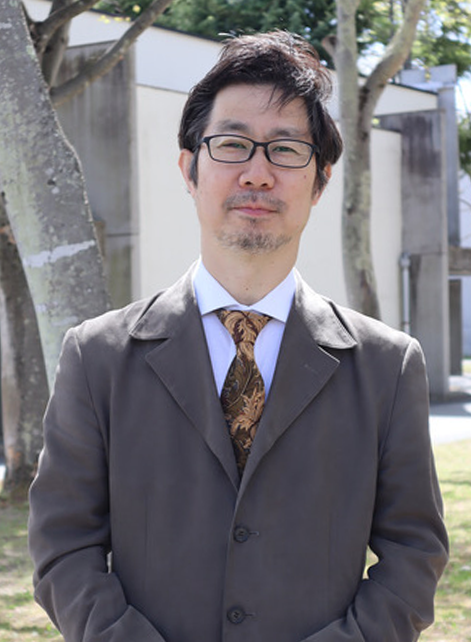
Area studies is generally defined as an interdisciplinary socio-scientific research endeavor focused on specific geographical or historic-culturally related spatial domains. It is often centered around disciplines such as history, anthropology, and political science, leading to established fields like Southeast Asian Studies, African Studies, and Slavic Studies.
The Center for Northeast Asian Studies (CNEAS), established in 1996, was founded in an era where cross-border international cooperation became possible following the collapse of the Cold War. With the possibility of conducting fieldwork in previously restricted areas like the former Soviet Union and China, its mission was to provide interdisciplinary clarification of various anticipated issues related to environment, economic development, and cultural exchange.
Through nearly three decades of accumulated research, we have arrived at the conceptualization of area studies as the interaction between environment and culture. Based on this understanding, we have pursued research structured around three key pillars: 1) Regional understanding through an Anthro-historical timescale, 2) The region viewed from the perspective of Great Power/imperial governance and ethnic diversity, and 3) Understanding and sharing diverse cross-border issues. The distinct characteristics of CNEAS's approach to area studies lie in its Anthro-historical perspective, which incorporates natural history, and its focus on the relationship between ethnic diversity and the historical Great Powers in the region, namely China and Russia.
This symposium aims to foster discussions based on the research accumulated under the former two of the pillars mentioned above.
One such theme is anthropological history, including natural history. The researchers within our center who lead this area, particularly those in natural sciences such as biology, utilize the concept of "Evolution." They have sought to elucidate the originating processes of the "Nature" we perceive around us, suggesting that the involvement of culture and society plays a key role in these processes. Crucially, this concept is Darwinian evolution, not the social evolutionism often critically imagined by many humanities and social science scholars. Evolution, resulting from the interaction between environment and genes in a given time and space, is purposeless; only outcomes exist, making it value-neutral. This perspective has been incorporated into natural sciences like geochronology, as well as into evolutionary psychology and evolutionary economics, gaining a certain foothold in the social sciences.
Reappraising area studies through this lens of "Evolution" is one of the main objectives of this symposium. This framework offers an opportunity to re-examine changes in human society not merely in terms of ideas, behavior, and institutions, but also in relation to the environment in the broader sense, including the historical axis.
The second objective is to reconsider area studies using the concept of "War." This is directly related to the pillar focused on Great Power governance and ethnic diversity. The contemporary world order established since the 1990s has undergone irreversible change due to the systemic social crises related to the COVID-19 pandemic since the late 2010s, and conflicts such as the Russia-Ukraine War and the Palestine-Israel War. The initial globalism of peace and cooperation that prevailed when the Center was established has shifted to one defined by conflict and confrontation. This shift profoundly affects the relationship between nation-states, ethnic groups, and other minorities. By examining these issues through various angles, including historical and global comparative perspectives, we hope to gain a new outlook on the Northeast Asian region.
The concepts of "Evolution" and "War" were either absent from or not foregrounded in conventional area studies. By exploring these two concepts from the context of Northeast Asian research and challenging ourselves to integrate them, we aim to gain novel methodological perspectives and open up new vistas for regional understanding.
Director, CNEAS, Tohoku University Hiroki TAKAKURA