 |
PIAO Huan Specially Appointed Assistant Professor Cultural anthropology, Area Studies |
Achievements
Transnational Practices and the Reconfiguration of Lifeworlds
Northeast China’s border regions have historically constituted sites of multilayered mobility and intersection, where Korean-Chinese communities have formed their lifeworlds within transnational social spaces centered on the Tumen River since before the emergence of the modern nation-state. Although these social spaces were fragmented through border demarcation and the consolidation of Cold War structures, they have been continuously maintained and reconfigured through kinship ties and hometown-based networks. Previous research has examined the small-scale cross-border livelihood practice known as "Bottari Jangsa" among Korean-Chinese communities, elucidating both its historical continuities and its transformations. More recent work extends this inquiry by reconceptualizing such practices as creative modes of spatial reconfiguration, with the aim of advancing theoretical debates on borders and mobility.
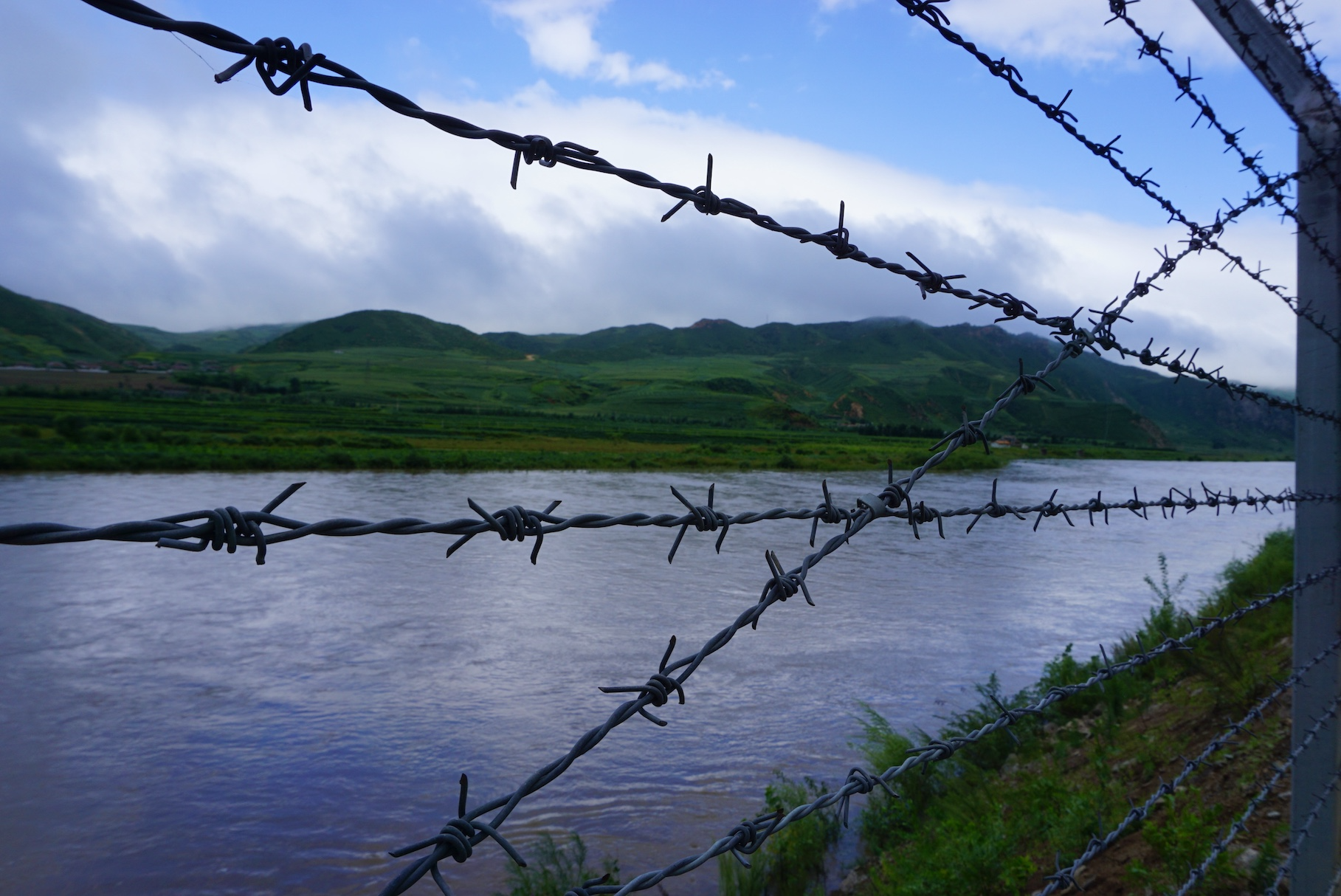 Barbed-wire fencing along the Tumen River on the China–North Korea border
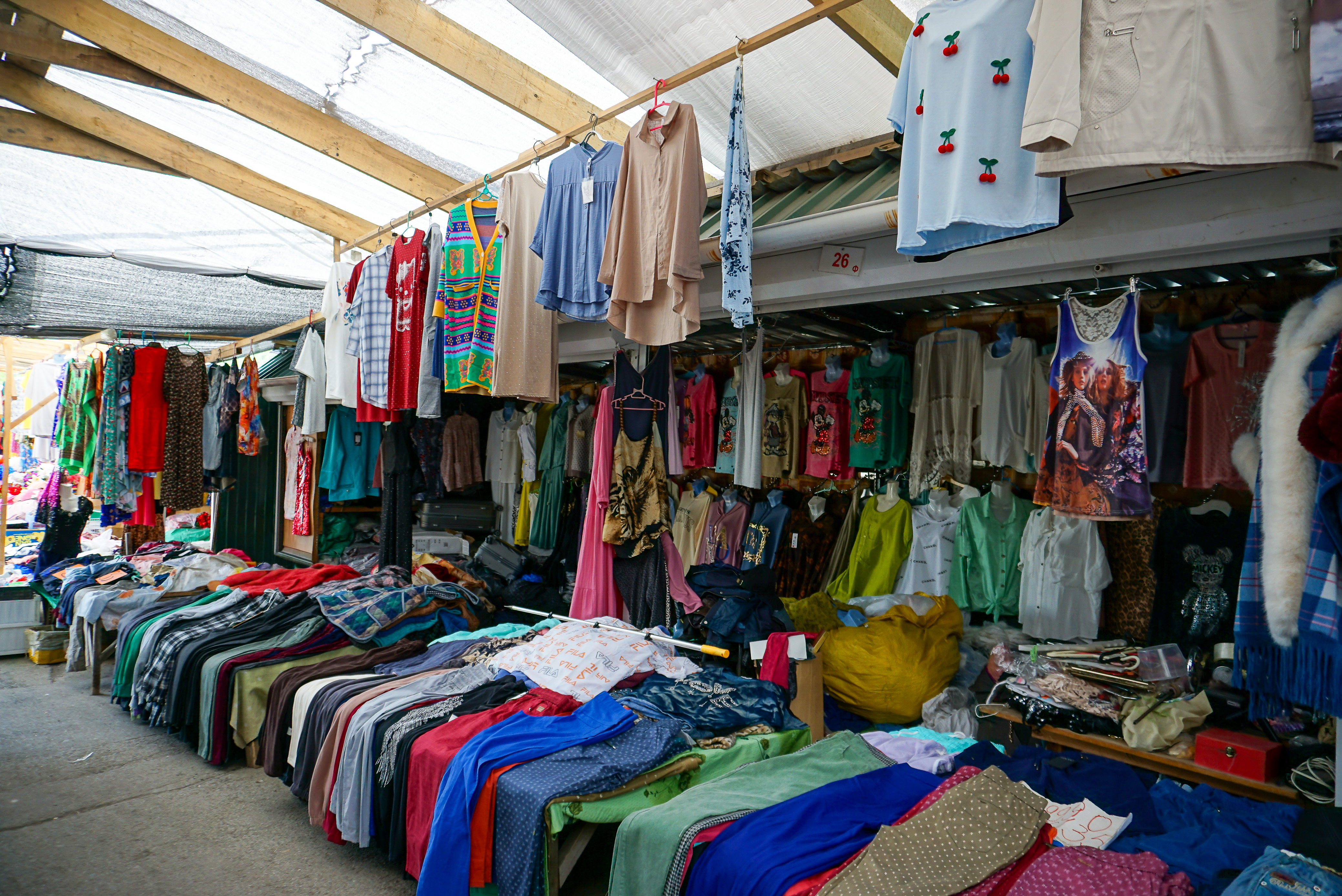 Clothing stalls at Kitayskiy Market, Vladivostok, Russia.
Principal areas of interest
- Transnational practices and networks in the China–North Korea and China–Russia borderlands
- Everyday practices across institutional boundaries and the reconfiguration of lifeworlds
- Cross-border mobility, identity, and belonging